Putting Memory to Work: The Ming Court and the Legacy of the Mongol Empire
Empires create legacies that successors use in diverse ways. My project explores the court of China’s Ming dynasty (1368-1644) on a broad Eurasian

Empires create legacies that successors use in diverse ways. My project explores the court of China’s Ming dynasty (1368-1644) on a broad Eurasian
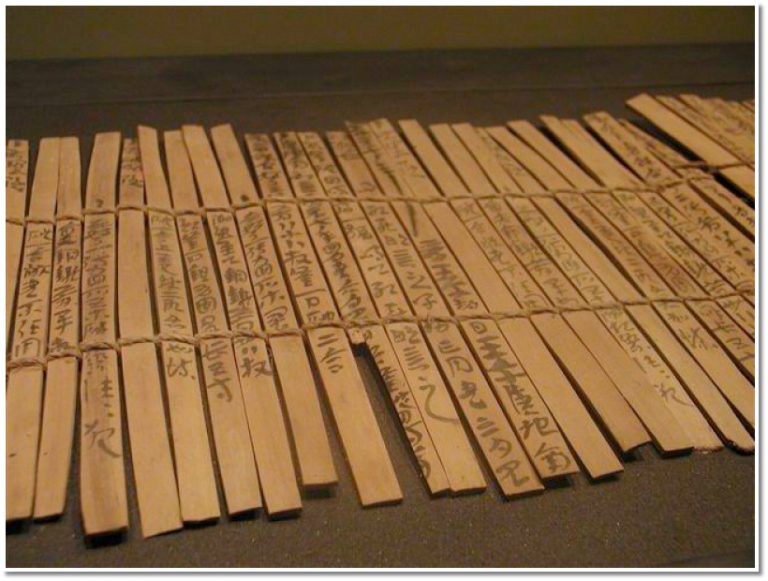
![Photo by Foxy Who (^∀^)/ [CC BY-SA 3.0 (https://creativecommons.org/licenses/by-sa/3.0)], via Wikimedia Commons](https://journal.fulbright.org.tw/wp-content/uploads/2018/07/b48f2c03bbd159814922841bfb3fe7d7-768x576.jpg)
In 2016-2017, I conducted research for my dissertation on early medieval Chinese literature in Taipei as a Fulbright Fellow. Upon arriving in Taipei
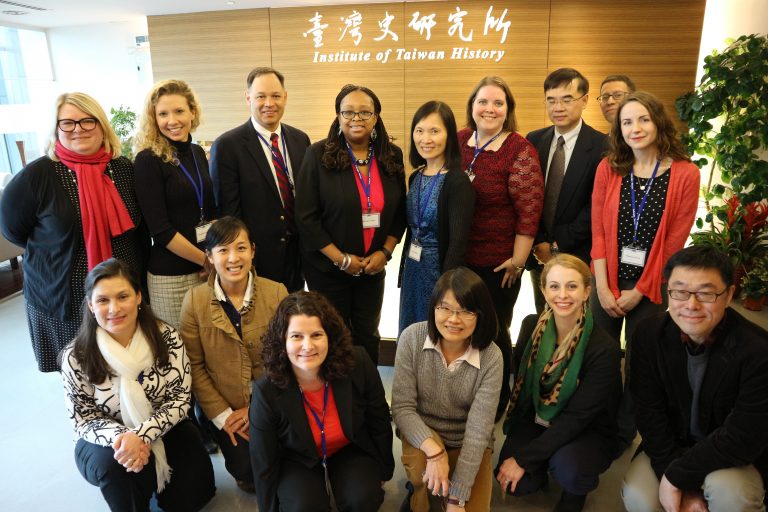
It is with great anticipation and excitement that I embark on this new journey of exploration, discovery and learning through the Fulbright Taiwan program. I
Chinese nationalism continues to be an important but inadequately understood phenomenon. On the one hand, it is evident that nationhood and national identity are deeply

A case study provides the opportunity to delve deeper into the perceived advantage that China wields over the United States in monetary power. By analyzing
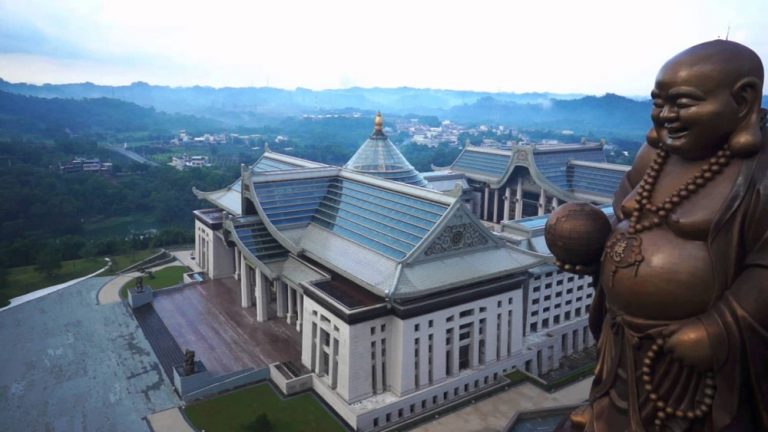
During my 2016–17 Fulbright fellowship in Taiwan, I had the opportunity to visit the Taoyuan factory of Sheng Kuang 聖光 (Sacred Radiance), a leading
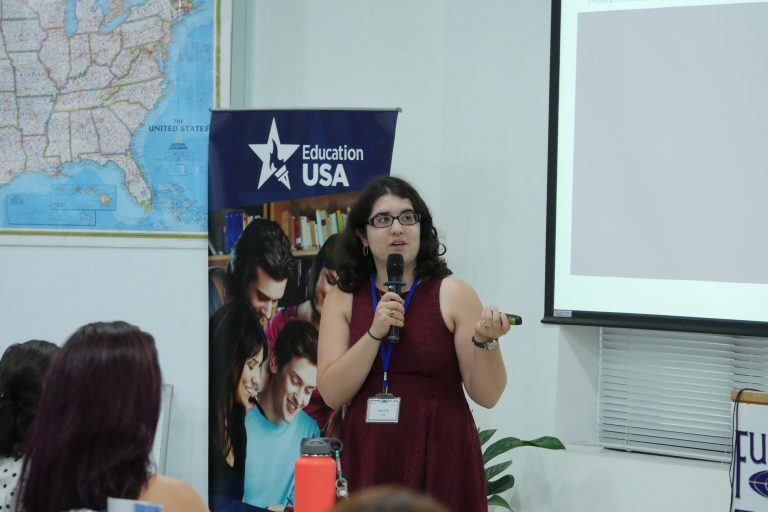
In my language, we say “I love you” a lot. Think about that sentence for a minute. Really think about it. Does it strike you
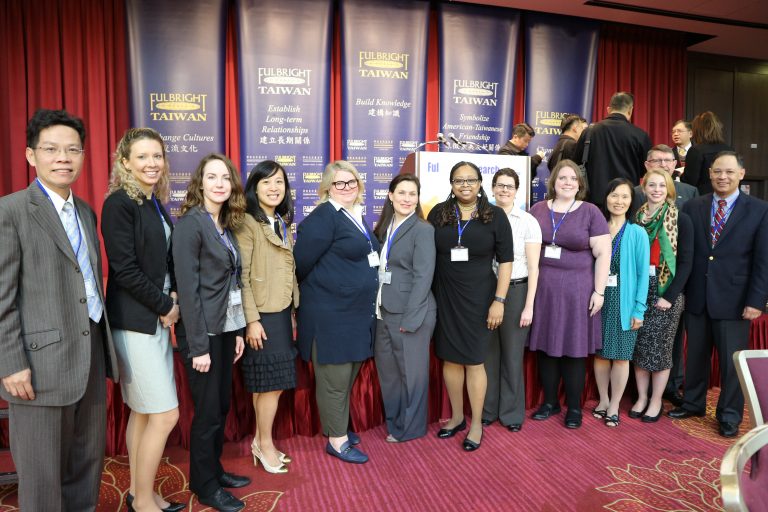
I recently discovered that I indeed had something in common with the esteemed Paul Krugman, the 2008 winner of the Nobel Prize in
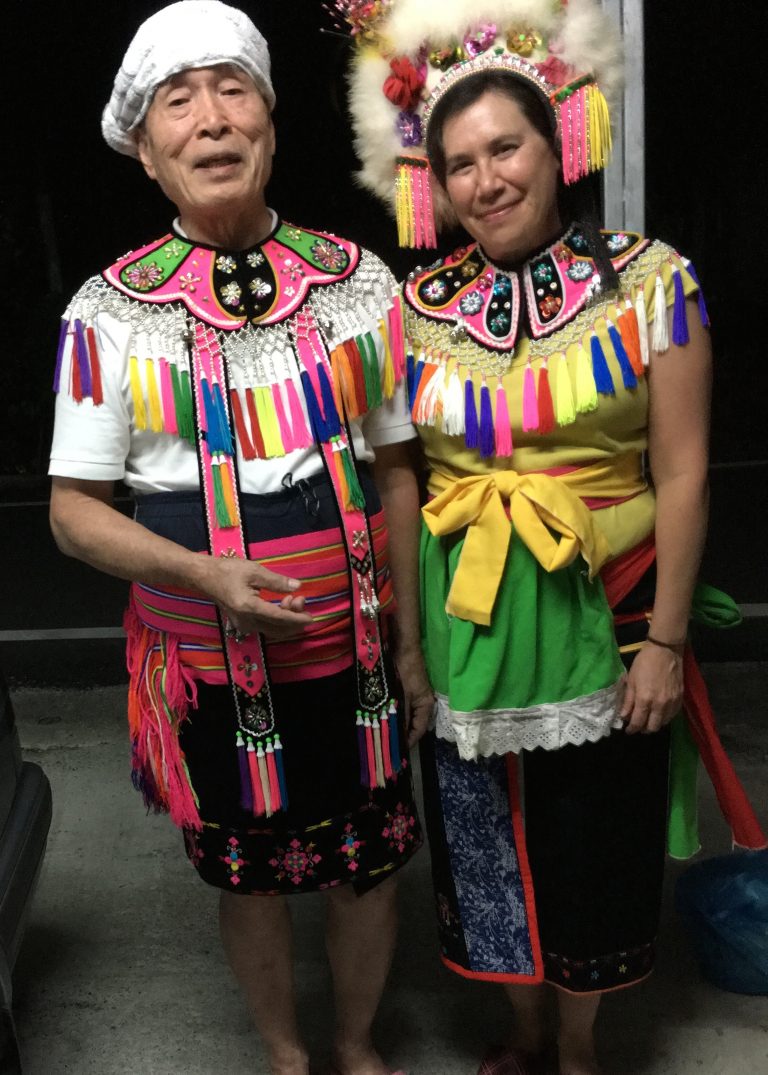
Introduction and Background Many of us would agree that Senator J. William Fulbright’s vision of “a world with a little more knowledge and
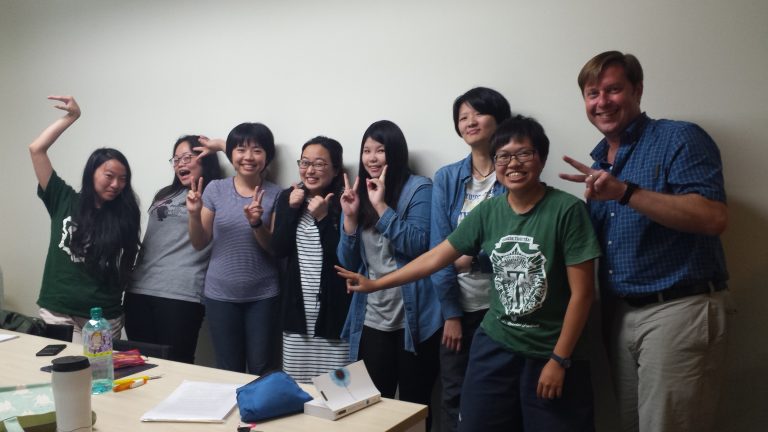
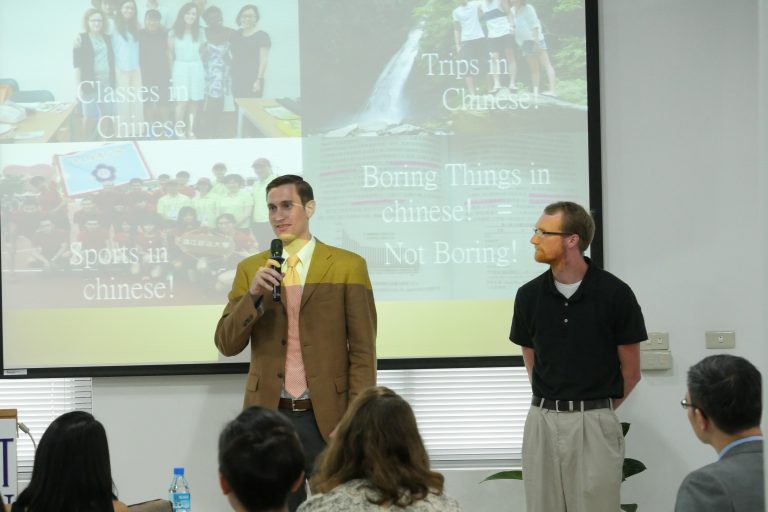
Introduction I had the pleasure to serve as a Visiting Professor in the Foreign Languages and Literature Department at Tunghai University in Taichung,