fulbright Taiwan online journal

fulbright Taiwan online journal

Leaning into Nuance and Embracing Gray Areas in Taiwan

In 2024, I received an invitation from a colleague to attend Taiwan Night at the NAFSA conference in New Orleans. Taiwan was a place I knew very little about, but I became impressed by the exchanges and scholarships highlighted at the event, and a seed of awareness quickly grew into an undeniable sign from the universe: Taiwan began to pop up everywhere. I learned that Rice hosts students from Taiwan every year for intensive STEM research seminars. I learned that Houston is Taipei’s sister city, and is home to one of a handful of Taiwanese “consulates” in the US. I learned that I could travel to Taiwan with Fulbright IEA, and my decision to apply was a no-brainer. It was clear I needed to learn more about this place.

Throughout the IEA experience, I came to understand some astonishing push and pull factors affecting the higher education landscape in Taiwan. Low birth rates and high cost of living. A semiconductor industry that is keeping Taiwan essential to the global economy, but is simultaneously fueling an AI bubble that is swelling by the minute. People coming to Taiwan in droves – students pursuing higher education, tourists on cruise ships, caregivers tending to the aging population.

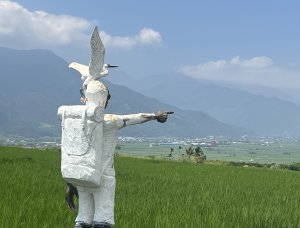
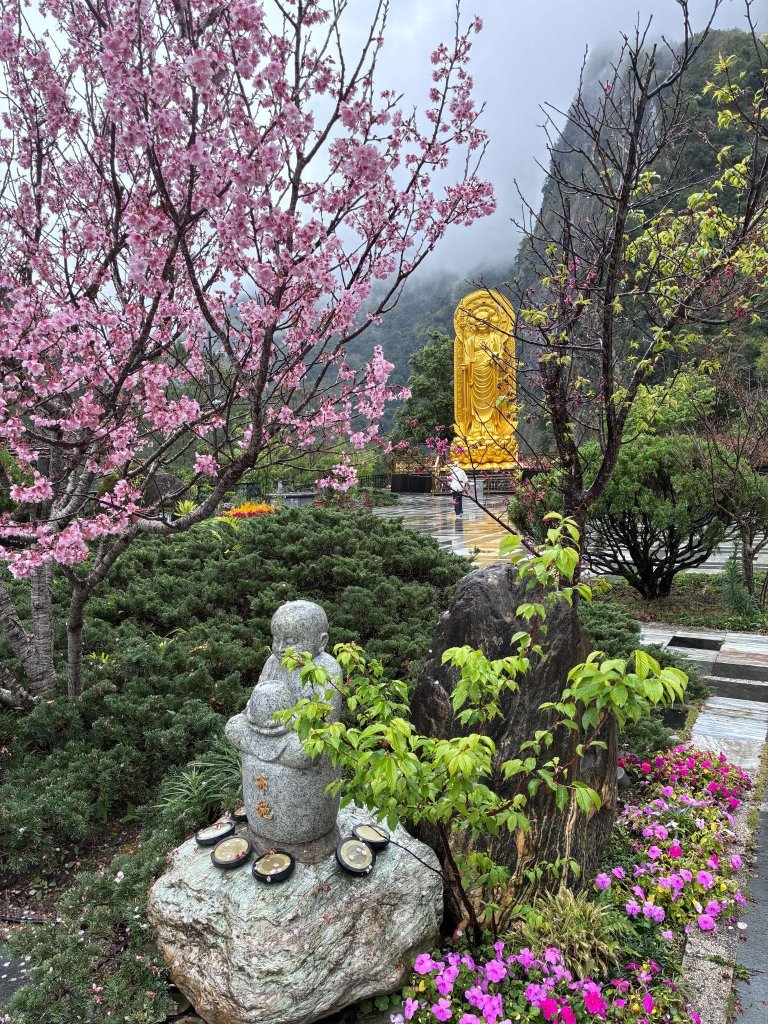
Spring At Taroko Gorge

As I read novels and news articles about Taiwan and engaged in conversations with our host institutions throughout the seminar, I was confronted with nuance. There was rarely a clear yes or no. Politically, economically, culturally, linguistically, I found myself navigating a complex gray area in Taiwan.

Every country, culture, and history has its nuances. When I catch myself thinking in black and white binaries and stop to really consider the complexities at hand, I find we are, in fact, surrounded by nuance all the time. But the key difference I experienced in Taiwan is a genuine willingness to lean into that nuance.

The conversations I had with Taiwanese people at the 13+ institutions we visited through the IEA seminar were open and warm. No topic was off-limits. There was acceptance of a wide range of views and experiences. For example, at the Lungshan Temple, instead of observing from the sidelines, visitors are invited to learn Buddhist rituals alongside regulars swinging by for a quick prayer after work. I felt my flexibility muscles warming up – I felt more free to embrace the gray area in Taiwan. I was reminded that this is a critical muscle I, my students, and my fellow Americans need to use more often.

Some IEA Friends On An Evening Bike Ride In Taipei.

Professionally, IEA challenged me to share about my work in community-engaged learning in spaces where this hasn’t fully caught on yet. I learned to hone my expertise and express the value of my Center’s work to a range of audiences – curious potential partners, skeptical faculty, and like-minded administrators. Now that I’ve been part of a delegation, I feel more confident hosting one, and understand more deeply the factors in an itinerary that allow for fast friendships to form.

Just a few of the fast friendships I formed in Taiwan.

I’m also very grateful to my supportive supervisor and team who encouraged me to seize this opportunity and extend my time in Taiwan for an additional 1.5 weeks. This allowed for solo travel time, long hikes and bike rides in national parks, exploration off the beaten path, and a chance to feel like a regular at the neighborhood 7-11.

My Fulbright IEA affirmed for me how much I enjoy building authentic and reciprocal partnerships, why they are so important in today’s world, and the value of cohort based travel learning. I am thankful for this experience in helping stretch my capacity for nuance, strengthen my ability to relate to concepts I discuss with my students (like reverse culture shock!), and learn about a small island that has enormous heart. Thank you, Taiwan!

Good pieces need to be seen.

SHARE THE ARTICLE

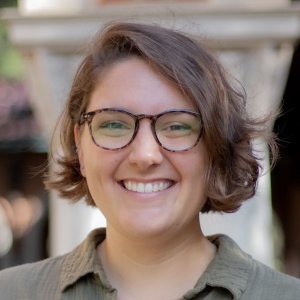
Picture of Kelsey Ullom

Kelsey Ullom

Kelsey Ullom is Associate Director of International Programs & Initiatives at the Center for Civic Leadership at Rice University in Houston, Texas. In this role, Kelsey administers global programs and curriculum, oversees advising for fellowships, and leads globally-focused initiatives. Kelsey specializes in developing undergraduate global internships in social impact spaces, and experiential learning for underrepresented students such as STEM, first-generation and limited income students, and refugee students.
Explore more

Research & Reflections

fulbright taiwan online journal