fulbright Taiwan online journal

fulbright Taiwan online journal

From Rural Illinois to Taiwan: A Fulbright IEA Reflection from a First-Generation Student’s Lens

Introduction – Before Arriving in Taiwan

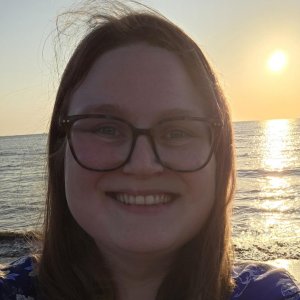
I wanted to input my perspective of my Fulbright IEA experience as a first-generation student alum. A first-generation student refers to a student where neither of their parents have a bachelor’s degree. In my personal case, my father has his GED, and my mother has her associates degree. Because of this, it also meant that my parents could not find good-paying jobs to afford raising me and my 3 siblings. I also grew up in rural Illinois, where there are not as many career paths to pursue. This motivated me to go to college and obtain my bachelor’s and master’s degrees. From there, I found my passion for international education and advocating for other first-generation students to study abroad from a rural institution. At my institution, almost half of our student population is classified as first-generation students. That is why I applied for the Fulbright IEA Award in the first place.

Growing up in rural Illinois did not give me many opportunities to learn other languages, let alone Mandarin Chinese. Language barrier was an initial concern of mine since I did not know any Chinese. Before the seminar, I attempted to learn Chinese via videos and Duolingo with little luck. I found myself feeling discouraged, wondering if I was going to survive in a country where their native language is nothing like my own. I told myself to push through, giving the same advice that I give my students, “people are nicer than you think.”

Arrival

I arrived the morning the program started, so I hit the ground running. I met the group for the first time in the lobby of the hotel. 16 strangers who were now all going to be together for 2 weeks, what a feeling! We started at the Fulbright Office and learned all about what the Fulbright does and offers. I was surprised by everything the Fulbright provides. After the presentation, the thing I was surprised about the most was how much funding they were able to provide and the services they offer for Americans to come to Taiwan. My mind was blown. Why did I not know about this before? This is an untapped well of opportunities for my first-gen students! We also visited the American Institute of Taiwan which was interesting. I was intrigued by the functions of the Institute and the role they play in both receiving students from other countries and sending students to other countries.

Days 2-7

The next few days would involve visiting a variety of campuses, another government office, and an elementary school. We started with the Ministry of Foreign Affairs which was amazing. I got my master’s degree in political science so getting to see MOFA and learn about relations between Taiwan and other countries as well as the educational impact of those relations was mind-blowing. We then went to NTU where we got to see the internationalization strategies they utilize to recruit and send students. Their strategies made me think of ways my institution could improve our recruitment strategies. Next, we went to NCCU where they have a comprehensive list of programs at the bachelor’s and master’s levels. This was a beautiful campus and loved their library. We then went to the Palace museum which I loved. I also loved history and enjoyed the cabbage the most. The group made the Jade Cabbage a part of our inside joke for the remainder of the trip.

Day 4 involved traveling to Yilan where we got to see the ETAs teaching at an elementary school and interact with the students. The students were wonderful! It was also great to see the experience that the ETA’s were getting as well. The afternoon was spent at Fo Guang University where we got to have a tea ceremony and view the unique programs they offer like Buddhist Studies and Vegetarian Science. While Yilan is a large city, it felt more rural than Taipei.

Day 5 consisted of hearing from four different campuses in one day. It was great to see how miraculous the Semiconductor programs were and how the products are created in Taiwan. The afternoon was spent at Yuanpei University of Medical Terminology. I loved how they broke us into groups and we got to hear from individual professors from departments. I was at the Veterinary Care department, and they brought in a dog that the students use to treat and groom which was great!

On Saturday, I had the privilege of speaking to the FLTA’s on first-generation students and how working with this demographic may be different than a traditional American student. I was even able to speak with a couple of the FLTA’s and they were intrigued about my experience and I was honored to be able to share that with them. The remainder of the weekend was free time, so I joined part of the group to go to Taipei 101 and I traveled to Yongchungang Park and Elephant Mountain.

Days 8-13

The second half of the week consisted of traveling to the southern parts of Taiwan. The first stop was Taichung City. We visited the first university of the week which was China Medical University. I had the honor of giving the opening remarks, doing the gift exchange, and speaking with the administration at this campus. I enjoyed the tour and how this campus offers a variety of research options as well as Acupuncture options. The afternoon was spent at Tunghai University where they had a unique term called the mini semester where students could take a semester’s worth of classes over the summer. This is something my students would be interested in. Their campus chapel was also beautiful.

On Tuesday, we traveled to Tainan to visit Tainan University of the Arts where they heavily focus on the traditional arts but also have Film and Media as well. Tuesday afternoon was spent at National Cheng Kung University where they are well known for their engineering programs and the connections they have with the industries in Tainan. I enjoyed Tainan because it had more of a small town feel as opposed to Taipei.

Wednesday was the last of our campus visits before heading back to Taipei. This was my favorite of the days. Kaohsiung is a beautiful port city and enjoyed having the beach and the mountains in the same city. Wednesday morning was spent at my favorite university on this seminar, National Kaohsiung University of Hospitality and Tourism. I have a soft spot for focused universities like these, and my institution also has a robust Hospitality and Tourism program. At NKUHT, I was able to see the simulations and immersive options students get to use while taking courses here. My favorite was the culinary arts program. The students (and their professor) created a menu and cooked everything on that menu (a 6-course meal) for us! They also took me to their internship fair which had hospitality and tourism vendors from all over the world for students to apply for internships. The final campus stop was at National Sun Yat-Sen University which I believe was a great way to end our campus tours. NSYSU boosts great programs such as marine sciences, political science, and theatre. The best thing about this campus was that they have a beach and mountains on their campus!

Thursday was spent traveling back to Taipei and reflecting on my experiences thus far. Today was the last day that the group as a whole would be together, and we spent it well. There was a final celebration that consisted of a farewell dinner and a karaoke night. The hotpot was delicious and had the opportunity to hear everyone attempt to sing great songs both in English and Chinese.

The final event of the seminar was a one-day Forum conference co-hosted by the Foundation for International Cooperation in Higher Education in Taiwan (FICHET). I had the honor of listening to representatives from the Ministry of Education on statistics and collaboration efforts with other universities. I also was able to network with approximately 30 other universities to discuss possible partnerships with my institution. The Forum was the final event where after that the seminar was over, and everyone departed for the U.S.

Conclusion

This was my first time traveling to Taiwan, and I have to say that I genuinely enjoyed it. It was a life-changing experience. I was initially concerned about my lack of Chinese language knowledge; however, the locals were super welcoming and understanding. Even though I was located in mainly large cities, the hospitality provided to me reminded me of being back in rural Illinois. By the end of the seminar, I learned how to say basic phrases like thank you hello, excuse me, and learned to count to three. While it is not a lot, it was more than I began with. I also had the unique experience of being the youngest person in the group (28), which is closer to the age of my students who would be traveling abroad. Because of this, I feel like I have developed a unique perspective that I am able to share with my students to make them feel more comfortable about traveling to Taiwan. I am now able to tell my students about the places in Taiwan to travel too if they want to feel like they are in a more area while still being located in a large city.

Being in Taiwan also made me reflect on my experience as a first-generation student and what other first-generation students may face when considering studying in Taiwan. Even though most of my expenses were paid for by the Fulbright Program, there was still a feeling of concern with how I was going to budget my time and money in Taiwan. How much money do I have for meals not included in the Fulbright Award? How much should I budget for souvenirs, if any at all? Am I going to have enough funds to both pay my bills back in the U.S. and do things in Taiwan? What are some free things to do in Taiwan that can be planned out during my free time so that I do not have to spend any money? These were all thoughts I had running through my head. I also know from experience that these are going to be some of the questions that my students ask me when getting advised on going to Taiwan. While visiting each of the campuses around Taiwan, I made note the answers to each of these questions. An example is as follows:

National Chengchi University.

  • Tuition waiver option + additional financial assistance to afford attendance
  • Located close to many hiking trails (free activity)
  • located close to Maokong Gondolas (cheap activity).
  • Restaurants close to campus (average cost of $5-10 USD per meal).
  • Markets close by as well so students can buy cheap groceries.
  • Walkable/Bikeable
  • Has accessible and affordable transportation with e-card.


While most study abroad students may not think about these things, I know that these are questions I am going to get from my first-generation students. This was all information that I could use to market Taiwan as a great and affordable opportunity for my students.

I was also happy to say that I was able to make some great networks within my cohort as well. This seminar also led me network with my cohort to get different ideas on study abroad at different U.S institutions and we all are still chatting away together about inside jokes and updates. I even am working with 3 of the other Fulbrighters in my group to propose a panel on this very experience at the DA Global Conference in November. All in all, this was a once-in-a-lifetime experience, and I am glad to have had the opportunity to be a part of it.

Good pieces need to be seen.

SHARE THE ARTICLE

Picture of Heather Crank

Heather Crank

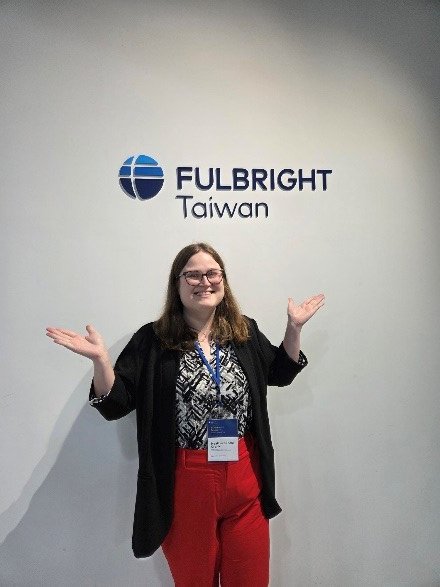
Heather Crank has her Master's Degree in Political Science from Eastern Illinois University and works at Eastern Illinois University as the Assistant Director of Study Abroad. She has been with this institution for almost 4 years and has a passion for advocating for international education, especially study abroad opportunities for first-generation students. She sits on the Benjamin Gilman Scholarship panel every year and she has had 7 students from her institution receive this scholarship since starting her role at EIU.
Explore more

Research & Reflections

fulbright taiwan online journal